Choosing a hunting app feels like hunting for a perfect fit. Most tools miss the basics you need in the field, so hunters look elsewhere.
Hunting app alternatives focus on offline maps, quick waypoints, and clear WMU layers. The Best Hunting Map App: Top Picks for 2026 shows how a map‑first tool cuts guesswork.
If you plan a Crown Land hunt in Ontario and the signal fades, a downloaded map still shows land borders, keeping you legal without service.
Before you leave, tap the layer icon and enable Crown Land overlay; each turn matches a screen color, keeping you off private ground.
Getting to remote spots often needs more than a truck. A sturdy off road bike saves time and keeps your load light. See Everest Motorcycles for models built for backcountry rides.
Top Free Hunting App Alternatives
If you’ve tried the big‑name hunting apps and hit dead ends, you’re not alone. Free alternatives can give you solid maps without a subscription.
OpenMapQuest
OpenMapQuest – A free map service that lets you download US and Canadian topographic maps. No data plan needed, and you can drop pins for stand locations. You also get a satellite view that helps spot clearings.
Caltopo
Caltopo – The free tier includes offline map packs and simple drawing tools for hunt boundaries. Export GPX files and use them on any GPS device. You can also create custom layers to mark water sources.
OnX Hunt (Free version)
OnX Hunt (Free version) – It shows basic WMU layers and a compass overlay. The free level covers most public lands, so you stay legal without paying. When you go offline, the app still shows your current location on the saved map.
Maps are only half the battle; you still need gear that can handle rough trails. A bike that can climb steep paths makes a big difference.
For rugged off‑road travel, check out Everest Motorcycles, which builds bikes designed for backcountry terrain.
Fueling long days is easier with Clubhouse Supplements, offering protein bars and electrolytes that fit in any pack.
If you hunt down under, Umbrello supplies Australian‑made camouflage and field gear that blends right into the bush.
Pick the app that matches your terrain, download the maps before you leave, and pair it with solid gear for a smoother hunt.
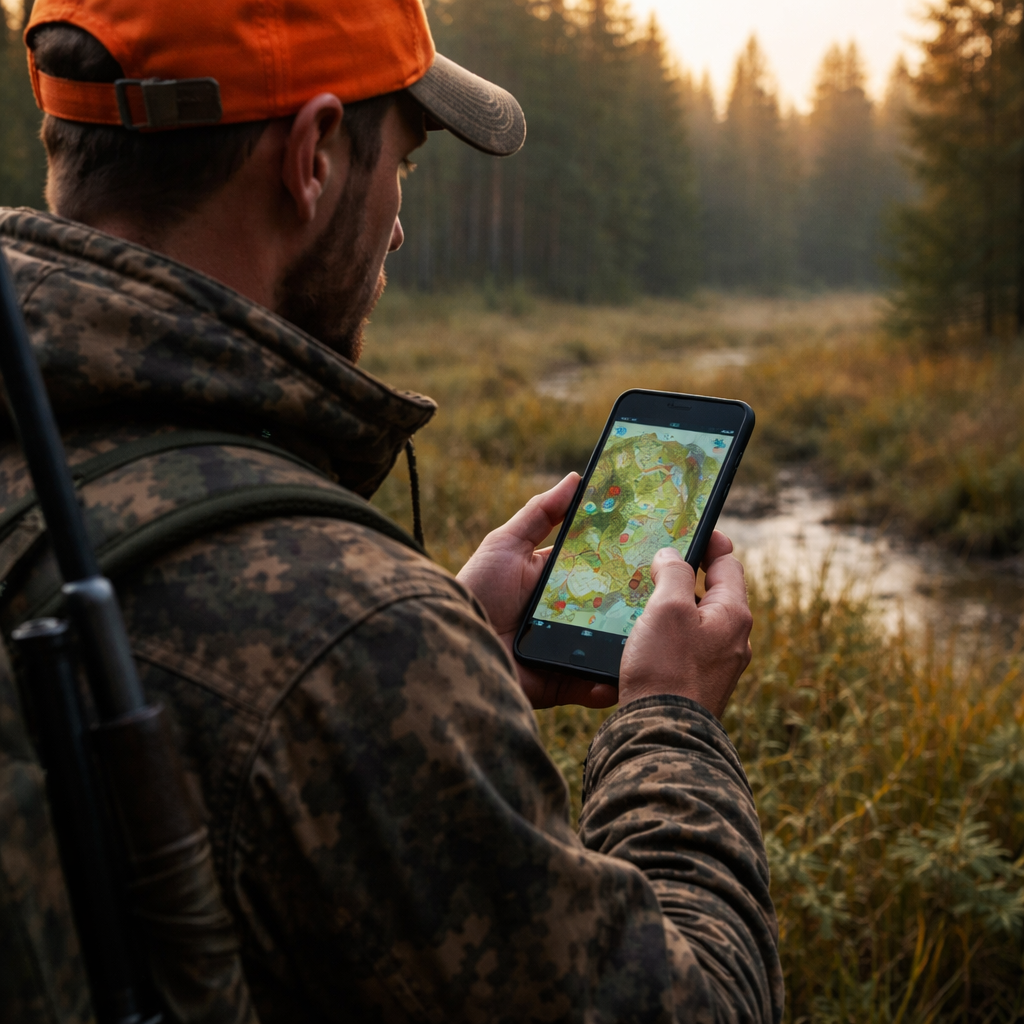
Paid Hunting App Alternatives Worth Considering
Paid hunting apps can give you a leg up without draining your wallet. Here are three options that many hunters swear by.
1. TheHunter Pro
TheHunter Pro packs offline topo maps, custom waypoint groups, and seasonal land‑use layers. You can load a whole county before you leave the house and never lose the view when the signal fades. The app also lets you share saved spots with a hunting party, so everyone stays on the same page.
2. GamePlan+
GamePlan+ focuses on real‑time weather overlays and terrain shading. When a storm rolls in, the app flashes a warning right on the map. It also offers a built‑in shot‑log so you can jot notes after each day without pulling out a notebook.
3. WildTracker
WildTracker gives you a crisp satellite view paired with hunt‑zone alerts. The alerts tell you when you cross into a restricted area, keeping you legal on the fly. Syncing data across devices means you can switch from phone to tablet without missing a beat.
So, what should you look for when choosing a paid tool? Think about offline reliability, the kind of alerts you need, and how easy it is to share data with your crew.
Want a side‑by‑side view of map‑first tools? Check out the best hunting map app guide for 2026 for a deeper dive.
| App | Price (per year) | Key Paid Features |
|---|---|---|
| TheHunter Pro | $49.99 | Offline topo maps, custom layers, group sharing |
| GamePlan+ | $39.99 | Live weather overlay, terrain shading, shot‑log |
| WildTracker | $29.99 | Satellite view, hunt‑zone alerts, cross‑device sync |
Cross‑Platform Hunting Apps for iOS, Android, and Web
1. HuntScout Web
HuntScout runs in any browser, so you can pull it up on a phone, tablet, or laptop. The map stays the same whether you’re on a 4G hotspot or offline after you’ve saved the tile pack.
It lets you drop waypoints, tag them with notes, and share a link with your crew. No app store install needed if you’re on a public PC.
2. TheHunter Pro (iOS & Android)
TheHunter Pro offers offline topo maps that work on both iOS and Android. You can preload a whole county before you head out, then the app never asks for a signal.
Group layers let you see where each teammate plans to hunt, and the built‑in shot‑log works the same on every device.
3. GamePlan+ Web Companion
GamePlan+ syncs its weather overlay to a web dashboard. Open it on a tablet in the truck, then the same alerts appear on your phone when you step into the woods.
The web view also lets you plan a route with terrain shading, then push that route to the mobile app with one tap.
4. WildTracker Cloud
WildTracker stores your satellite view and hunt‑zone alerts in the cloud. Log in from an iPhone, Android, or any browser and your data is ready.
The cross‑device sync means you can start a hunt on a phone, switch to a tablet for a better view, and never lose a pin.
Pick a tool that matches the devices you already carry. If you need a browser‑only option for a shared laptop, HuntScout Web is a safe bet. If you want full offline power on both phones, TheHunter Pro covers it.
For a deeper look at map‑first choices, see the Best Hunting GPS App guide for 2026.
Specialized Apps for Specific Game Types
When you hunt a specific animal, a one‑size‑fits‑all map can leave you guessing.
Here are a few apps that zero in on the habits of particular game, so you get the right data at the right time.
1. DeerTrail (Deer)
DeerTrail shows rut zones and feeding spots on a simple map. It pulls in public‑track data so you see where bucks moved last night. You can set a push alert for sunrise movement, then plan a stand that lines up with the hot spot.
2. DuckScout (Waterfowl)
Waterfowl hunters love migration lines. DuckScout draws the latest flyway paths and colors wetlands by depth. A tap lets you add a quick note about wind direction, and the app can suggest a launch point that matches the current breeze.
3. BearWatch (Predators)
BearWatch flags recent bear sightings and highlights scent‑free corridors. The heat map updates from park reports, so you can steer clear of high‑activity zones. It also offers a simple checklist for safe food storage on the trail.
4. UplandHunter (Small Game)
UplandHunter layers quail and pheasant brood reports over field maps. You can filter by time of day to catch the early‑morning burst. The app also marks public hunting fields that allow small‑game tags.
All these tools work best when you pair them with a solid Crown Land overlay that shows exactly where you can hunt legally. Check out the Crown Land map for Canada to add that layer to any of the apps above.
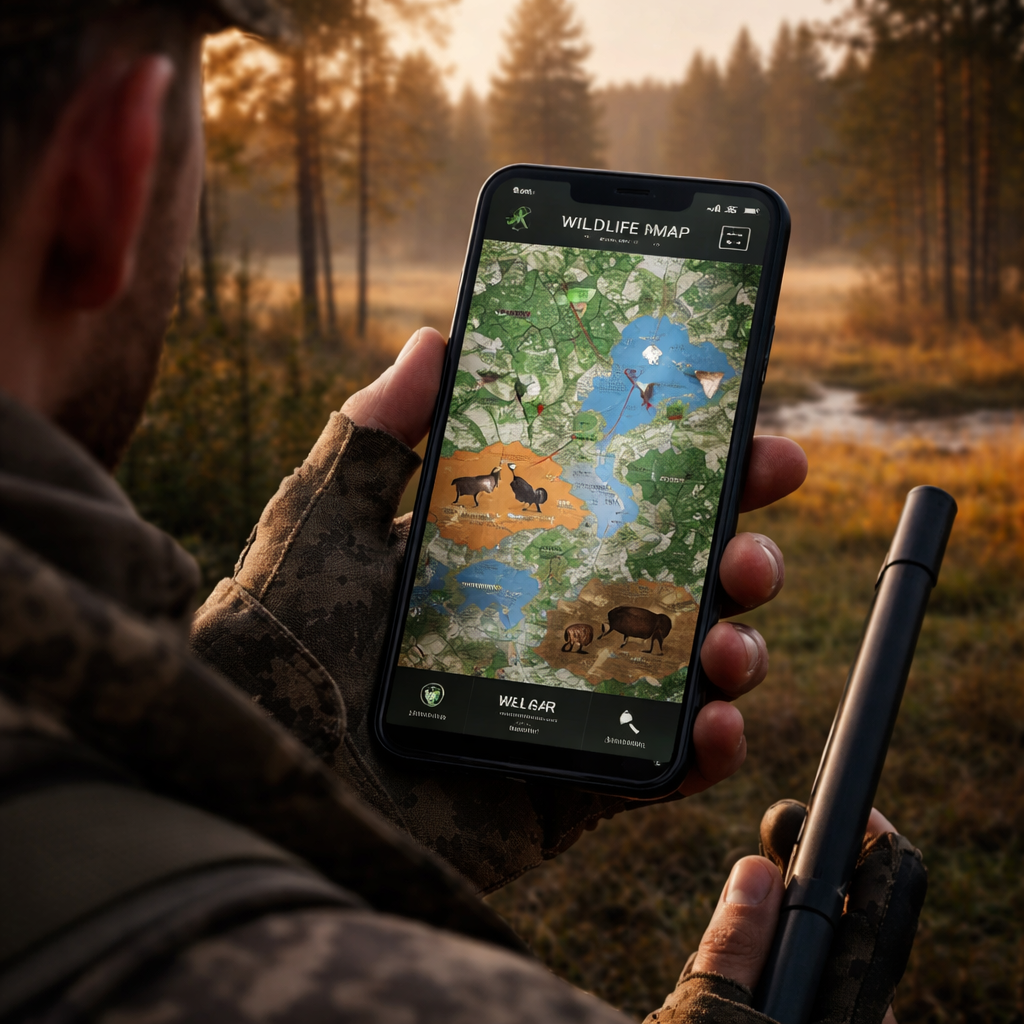
How to Choose the Right Hunting App for Your Needs
Picking a hunting app feels a lot like picking a tool for a job. You need something that works when the signal drops and shows the land you can actually hunt.
First, think about offline maps. If you head into deep woods, the app should let you download the area before you leave. No data, no problem.
Second, look at the layers you need. Do you hunt waterfowl, bears, or small game? An app that lets you toggle a Crown Land overlay, a WMU map, or a weather feed will save you time.
Third, check how easy it is to add notes. A quick tap to mark wind direction, a recent sighting, or a good stand can be the difference between a day on the field and a day in the truck.
Fourth, consider sharing. If you hunt with a crew, the app should let you push waypoints or alerts to their phones without a complicated setup.
Finally, test the battery drain. Some apps keep the screen bright or constantly pull satellite data. Choose one that lets you dim the map or switch to a low‑power mode.
Put these points together and you’ve got a simple checklist: offline maps, right layers, note‑taking, sharing, and battery‑friendly. If you want a side‑by‑side comparison of map‑first tools, check out the best hunting map app guide for 2026.
Take a few minutes to try the free tier of a couple of apps on a short hike. Feel how the map loads, how fast you can add a pin, and whether the app stays on when you lose signal. That real‑world test will tell you which app fits your style.
Frequently Asked Questions
What free hunting app alternatives work well offline?
Most free tools let you download topographic maps while you still have Wi‑Fi. Once the map is saved, you can turn off data and the app will still show land borders, trails, and public‑land layers. Look for a simple download button and make sure the map stays visible after you lose signal. Test it on a short walk before a big hunt.
How do I share waypoints with a hunting buddy using a free app?
Pick an app that lets you tap a point, add a note, then hit a share icon. The app should create a link or export a GPX/CSV file that you can email or text. Your buddy can open the file in the same app and see the exact spot. Keep the workflow short – a few taps and you’re done.
Will the battery drain fast on these hunting app alternatives?
Battery life depends on screen brightness and map detail. Turn down the brightness, use a dark mode if the app offers it, and close any background services. Most free apps run for at least five hours on a full charge, which is enough for a morning or afternoon hunt. If you need longer, bring a small power bank.
Are there any privacy worries when I use a free hunting app?
Free apps often collect basic data like device type and location to improve maps. Look for a clear privacy policy that says the data isn’t sold to third parties. If you’re uncomfortable, disable location services when you’re not using the map and avoid granting permissions that aren’t needed for offline maps.
How often should I update my hunting app alternative?
Map layers and bug fixes come out several times a year. Before each season, check the app store for updates and download the newest map pack for your area. Updating right after a big weather change helps you see the latest trail closures or new public‑land boundaries.
Can I rely on free apps for weather info while in the field?
Many free hunting apps pull current weather from public sources and show wind speed, temperature, and sunrise times. The data is good for short trips, but it won’t replace a dedicated weather service for long‑range forecasts. Sync the app before you head out, then trust the on‑device readout for immediate conditions.
Conclusion
At the end of the day, a hunting app is only as good as the way you use it.
If you pick a tool that works offline, shows the layers you need, and lets you share a waypoint in two taps, you’ll spend more time in the stand and less time fiddling with screens.
So, what’s the next step? Grab one of the free alternatives the guide covered, download the map for your next hunt, and do a quick test run before sunrise. If it feels smooth, make it part of your regular prep.
Remember, the best app is the one you actually carry. Keep it simple, keep it reliable, and let the tech work for you, not the other way around.
And if you ever feel stuck, revisit the checklist the guide built earlier. A quick glance at your offline map, a fresh battery, and a clear plan will keep you on track for every hunt.