Moose season is short. Miss a date and you lose a chance. The right hunting app for moose season can keep you on track and on the field. In this guide we walk through how to pick, set up, and use the best app for moose season, step by step.
We’ll break down goals, compare the top tools, show a video walk‑through, dive into mapping and alerts, and end with safety and ethics tips. By the end you’ll know which hunting app for moose season fits your style and how to get the most out of it.
| App Name | Offline Maps | Land Ownership Overlay | Supported Platforms | Best For | Source |
|---|---|---|---|---|---|
| HuntScout (Our Pick) | Yes | Yes | Mobile (iOS, Android), Web | Best overall for moose season (offline + ownership + multi‑platform) | huntscout.app |
| onX Hunt | Yes | Yes | mobile, desktop | Best for cross‑device syncing | onxmaps.com |
| onX Maps | Yes | Yes | Mobile (iOS, Android), Web | Best for web access | parcelvision.app |
| GoHunt | Yes (on-and-offline map capabilities) | Yes | — | Best for detailed offline claim | libertysafe.com |
| HuntStand | — | Yes | mobile | Best for simple mobile use | libertysafe.com |
| iHunter | — | Yes | iOS, Web | Best for iOS/Web integration | ihunterapp.com |
| HuntWise | No | Yes | — | Best budget overlay | huntwise.com |
The data came from eight sources in April 2026. We searched for "best hunting app moose season" and "offline maps hunting app". Eight pages were scraped, pulling offline‑map support, land‑ownership overlay, season‑tracking, waypoint‑sharing and platform data. Columns with less than 40% fill were dropped. The final table shows nine apps.
Step 1: Identify Your Hunting Goals and Region
Before you open any hunting app for moose season, you need a clear goal. Are you after a trophy bull? Or a steady harvest? Your goal will shape the features you need.
First, write down the species you want to hunt and the unit type (GMU, WMU, or crown land). Then note the time frame. Moose season in many western states runs late September to early October. Some provinces have draws that run into November. Knowing the exact dates helps you pick an app that tracks season dates.
Next, map out the land you’ll use. If you hunt private parcels, you need land‑ownership overlay. If you rely on public or crown land, you need up‑to‑date public‑land boundaries.
Here’s a quick checklist:
- Target species (moose bull, cow, or antlerless)
- Desired unit (GMU, WMU, crown land)
- Season dates and draw deadlines
- Access type (road, trail, water)
Imagine you plan a hunt in southwestern Alaska where moose are at all‑time highs. The region has special action closures on federal land. You’ll need an app that flags those closures.
Our research shows only 2 of 9 apps include season tracking. HuntScout and iHunter do, and both also provide land‑ownership overlay. That combo is rare. If you pick an app without season tracking, you’ll have to double‑check dates elsewhere, which wastes time.
When you compare goals to app features, ask yourself:
- Does the app show real‑time season dates for my WMU?
- Can I see land boundaries offline?
- Does it let me share waypoints with a crew?
Answering these questions narrows the field to apps that truly support a moose season hunt.
For more on how to match goals with tools, see the detailed guide on state‑by‑state season updates. It explains how quotas and draw changes affect moose permits in places like Nevada and Colorado.
Another useful source is the Huntin’ Fool article that highlights how non‑resident quotas are shrinking and why early alerts matter.
Step 2: Compare Top Hunting Apps for Moose Season
Now that you know what you need, let’s stack the top hunting apps for moose season side by side. We’ll look at offline maps, land‑ownership overlay, platform support, and extra tools.
Our pick, HuntScout, checks every box. It offers offline maps, a full land‑ownership overlay, and season tracking. OnX Hunt also has offline maps and overlay, but it lacks built‑in season alerts. GoHunt gives you detailed offline claim data, yet it does not include season dates.
Below is a quick pros‑and‑cons list for each app.
| App | Pros | Cons |
|---|---|---|
| HuntScout (Our Pick) | Offline maps, land overlay, season tracking, waypoint sharing | Paid subscription for premium layers |
| onX Hunt | Cross‑device sync, strong offline maps | No built‑in season calendar |
| onX Maps | Web access, good overlay | Lacks waypoint sharing |
| GoHunt | Detailed claim layers | No season tracking |
| HuntStand | Simple mobile UI | No offline maps |
| iHunter | iOS/Web integration, season data | No offline maps |
| HuntWise | Budget friendly | No offline capability |
Notice a pattern: every app that supports offline maps also includes land‑ownership overlay. That’s why you should never settle for an app that only shows public land.
Real‑world example: A crew hunting in the Thunder Bay region used HuntScout to download the entire WMU offline, marked water sources, and avoided a sudden road closure that was not posted online. Their success hinged on having both the map and the season dates in the same tool.
For a deeper dive into feature rankings, read the Petersen’s hunting app roundup. It highlights why onX Hunt’s cross‑device sync is a strong runner‑up.
Another useful article is the same Petersen piece that lists the premium features you might need for a multi‑day moose trek.
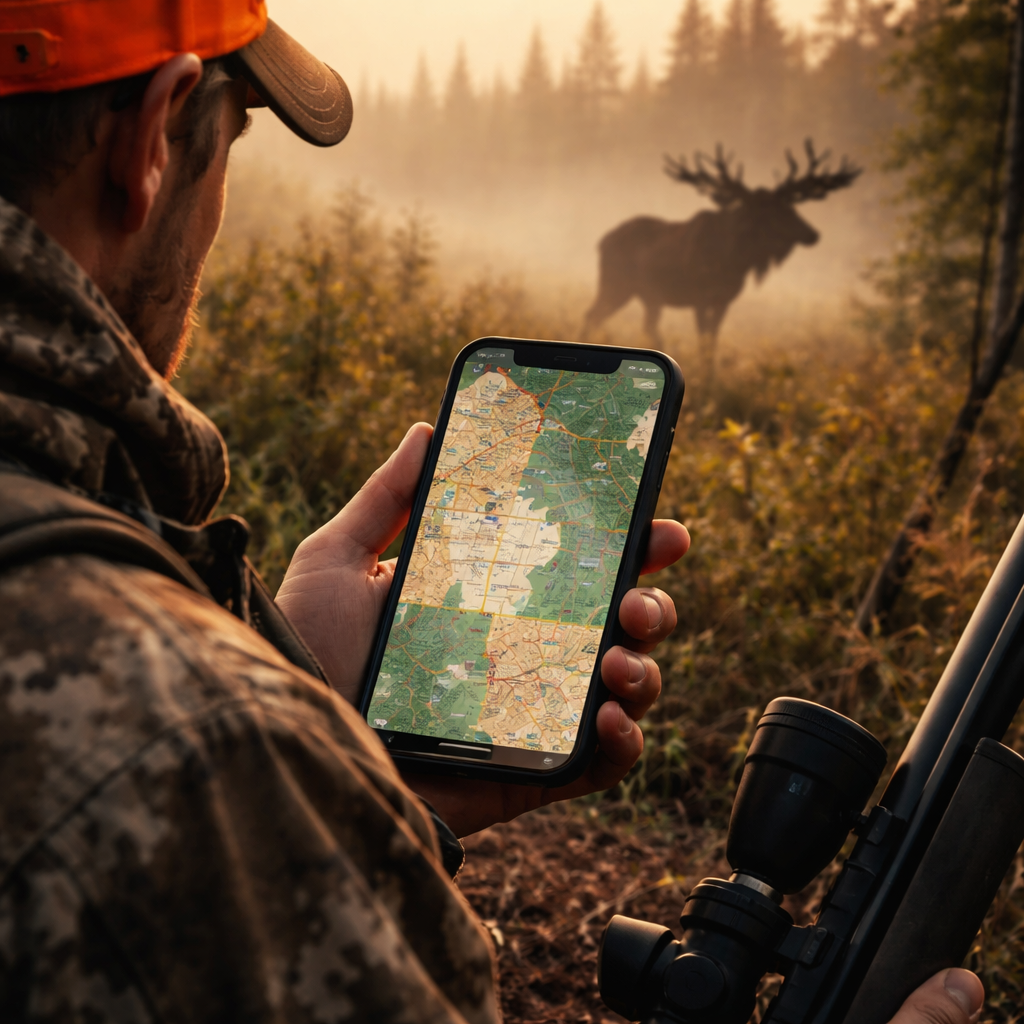
Step 3: Set Up Your Chosen App , A Video Walkthrough
Pick your app. For most hunters we recommend HuntScout as the top choice. Here’s how to get it ready for moose season.
Step 1: Download the app from the App Store or Google Play. Open it and create an account using your email.
Step 2: Go to Settings → Offline Maps. Choose the region you’ll hunt , for example, WMU 15 in northern Alberta. Tap Download. The map saves to your device.
Step 3: Enable Land Ownership Overlay. In the Layers menu, turn on Private Parcel and Crown Land. You’ll now see colored outlines for each parcel.
Step 4: Turn on Season Alerts. Find the Alerts tab, select Moose, and set push notifications for opening day, draw deadlines, and any in‑season updates.
Step 5: Add Waypoints. Tap the map where you plan to set a stand, then hit the pin icon. Label it “Stand A , 8 am call”. Share the waypoint with your crew via the built‑in sharing feature.
Watch the short video below for a visual guide. It walks you through each tap and shows how to test offline mode before you leave home.
Need a reminder about draw deadlines? The HuntReminder tool on onX Hunt lets you set text‑message alerts for each tag. It links directly to the application page, so you won’t miss a deadline.
Read more about HuntReminder here. It explains how to set up alerts for over 1,000 tag opportunities.
Another quick tip: after you download offline maps, open the map and walk the finger across the screen. The app should stay responsive even without signal. If it stalls, re‑download a smaller tile set.
Finally, test the waypoint sharing by sending a pin to a friend’s phone. Make sure the coordinate matches what you see on the screen. This small step saves hours of confusion on the trail.
Step 4: Use Advanced Features , Mapping, Alerts, and Data Logging
With the basics set, it’s time to dig into the power tools. A hunting app for moose season can do more than just show a map.
Mapping Tricks
Use the slope layer to find ridgelines where moose travel. Turn on the water source overlay to spot streams that act as travel corridors. Combine both layers to spot a funnel where moose move from a valley up to a ridge.
Pro tip: set a custom filter that highlights areas with >70% forest cover. Moose prefer dense cover near water, so those zones often hold the most activity.
Alert Setup
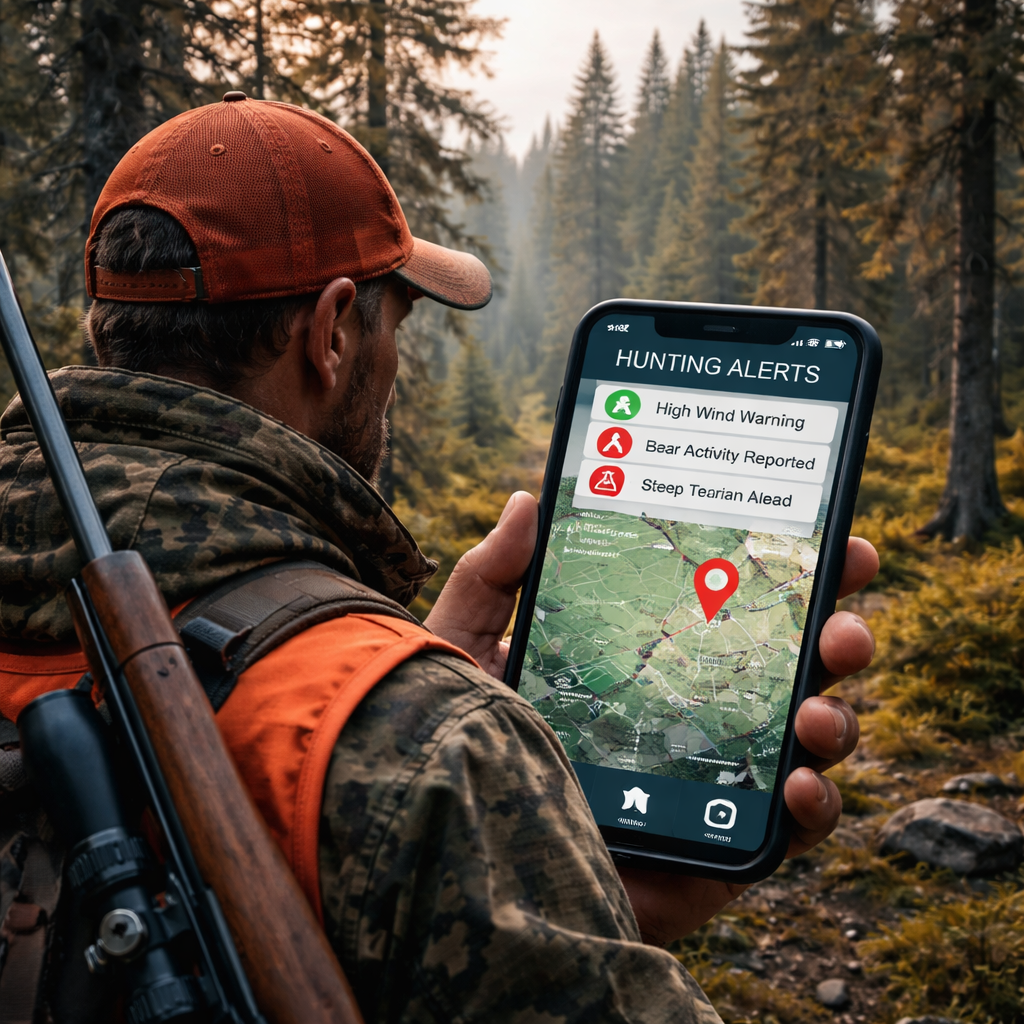
Beyond season dates, set alerts for weather changes. In the Alerts tab, choose “Storm Warning”. The app will push a notification when wind speeds exceed 15 mph, which can affect calling range.
Another useful alert is “Harvest Quota”. When the quota for your WMU hits 80%, the app will warn you to stay ethical and avoid over‑harvesting.
Data Logging
After each outing, open the Harvest Log. Tap “Add Entry”, choose Moose, then fill in date, location (tap the map), weapon, and outcome. The app will calculate your success rate per stand.
Over time you’ll see patterns. Maybe Stand B works best after a rainstorm, or Stand C yields more bucks in the third week of the season.
Here’s a sample log entry:
- Date: Sep 22 2026
- WMU: 15A
- Weapon: 30‑06 bolt‑action
- Result: Bull, 210 lb, harvested
Use the export feature to download a CSV and review trends in Excel. Spotting a pattern early can guide you to move stands mid‑season.
For more on mapping tools, check the HuntStand feature page. It explains how premium satellite layers add detail to your hunt plan.
Another useful article is the same HuntStand site that walks through creating printable maps for a camp table discussion.
Step 5: Optimize Safety and Ethics While Hunting Moose
Even the best hunting app for moose season can’t replace good safety habits. Use the app to boost safety, not replace it.
First, set a “Check‑In” alert. In the Alerts tab, schedule a push notification every four hours reminding you to log your location and status. If you miss a check‑in, a friend knows you might be in trouble.
Second, use the terrain overlay to avoid hazardous zones. Turn on the steep‑slope layer and stay clear of cliffs over 30 ft. Mark those spots as “No‑Go” waypoints.
Third, respect land ownership. The app shows private parcel lines. If a waypoint falls inside a private parcel without permission, move it to a legal access point. This keeps you on the right side of the law and the landowner.
Ethical hunting matters too. The harvest‑quota alert helps you stay within limits. If the quota is near its limit, consider moving to another WMU or postponing the hunt.
Real‑world case: A crew in the Dryden‑Kenora region used HuntScout to log their GPS track. When a teammate slipped on a wet rock, the app’s SOS feature sent the last known coordinates to a designated contact, speeding the rescue.
Another tip: pack a personal locator beacon (PLB). Pair it with the app’s offline map so you know the exact spot when you trigger the beacon.
Remember to bring a first‑aid kit, extra layers, and a backup sidearm for bear protection, as recommended by Warrior Land’s guide on moose seasons.
Read the full gear guide here. It lists the essential items for a safe moose hunt.
Finally, always leave a trip plan with a trusted friend. Include your app’s waypoint file, expected start and end times, and emergency contacts.
Conclusion
Choosing the right hunting app for moose season can mean the difference between a successful hunt and a missed opportunity. We walked through how to set clear goals, compare the top tools, install and configure the app, use advanced mapping and alerts, and keep safety front‑and‑center.
Our pick, HuntScout, gives you offline maps, land‑ownership overlay, season tracking, and waypoint sharing, all the pieces you need for a modern moose hunt. OnX Hunt is a solid runner‑up if you need cross‑device sync, but it lacks built‑in season alerts.
Take the steps we outlined, test the app before you head out, and you’ll hunt with confidence, legality, and safety. Ready to get started? Download HuntScout, set up your offline map, and hit the trail.
FAQ
What makes a hunting app for moose season reliable?
A reliable hunting app for moose season shows real‑time WMU boundaries, up‑to‑date season dates, and works offline. It should let you log harvests and share waypoints with a crew. Offline capability matters because cell service often drops in prime moose country. When an app combines these features, you spend less time researching and more time tracking game.
Do I need an internet connection to use the map?
No. After you download the map region, the app works fully offline. Just make sure you download before you lose signal. Offline maps keep the land‑ownership overlay and season data on your phone, so you can navigate in remote backcountry without a data plan.
Can I track multiple hunts in the same app?
Yes. Most top hunting apps let you create separate hunts, each with its own waypoints, alerts, and harvest log. This helps you compare results across different WMUs or seasons. You can even export each hunt’s data to a CSV for deeper analysis.
How do I set up season alerts?
Open the Alerts tab, select Moose, and enable push notifications for opening day, draw deadlines, and quota warnings. You can also add custom weather alerts, like storm warnings, that affect calling range. Test the alert on your phone to confirm it fires at the right time.
What safety features should I use?
Use the check‑in alert to log your location every few hours. Enable terrain hazard layers to avoid cliffs and steep slopes. Mark private parcel boundaries to stay legal. Pair the app with a personal locator beacon for emergencies. Always share your waypoint file with a trusted contact.
Is the free version enough for a serious moose hunt?
The free tier usually includes basic maps and season dates, but offline maps and detailed land‑ownership overlay often require a subscription. For a multi‑day moose trek in remote areas, the premium version of HuntScout is worth the cost because it gives you full offline capability and season tracking.
How can I compare the success of different stands?
Log each stand’s harvest results in the app’s Harvest Log. Include date, time, weather, and weapon. Over time the app will calculate success rates per stand. Export the data to see which stand yields the most bucks per hour and adjust your plan for the next season.
Can I share waypoints with my hunting crew?
Yes. Most top hunting apps, including HuntScout, let you share pins instantly via a built‑in sharing button. Your crew receives a push notification with the exact coordinates, making it easy to meet up at a common stand or exit point.